
 Max Heyraud
Trinity College Dublin’s DJ Society has built a full-scale hi-fi soundsystem from scratch, combining engineering and DJ practice in a student-led experiment into how sound is made, shaped, and experienced.
Earlier this year, Trinity College’s DJ Society (DUDJ) undertook the ambitious challenge of building a fully functioning, full-scale hi-fi soundsystem entirely from scratch. The project was conceived, designed, and executed by students, taking it from an initial idea through to a finished system that has already been tested and put to work.
What made the project particularly unique was the society’s blend of musical and technical expertise. With several members studying engineering, DUDJ found itself at the intersection of sound creation, sound reproduction, and musical performance. The students were not only concerned with what would come out of the speakers, but also with how that sound was generated, amplified, and experienced.
For a DJ society, this is perhaps an unusual position to occupy, but it is an exciting one. It reflects a deeper engagement with sound as both a physical and cultural force within club culture. Too often, soundsystems are treated as an afterthought by venues and performers. Yet when a system is operating at its full potential, every aspect of performance, track selection, mixing technique, and musical expression can truly shine.
The fact that a group of college students recognised the importance of sound and translated that understanding into a tangible project speaks volumes. Their commitment to exploring the relationship between music and its reproduction bodes well for the next generation of Irish DJs, promoters, sound engineers, and club owners, helping to foster a culture that places sound quality at the heart of the clubbing experience.

What motivated you to build a sound system from scratch?
In college engineering, we learn the fundamentals of sound and music, but never get to cross into the creative sector. From the artistic side, there are a lot of musicians, DJs, and artists who are not taught a technical sound engineering background. The sound system build was an experiment to see what happens when you force engineers and artists together to make something new.
What does building a custom sound system add to the culture of DJing at Trinity?
I would hope it adds a lot of freedom for expression and encourages DJs to grow a deeper understanding of sound, its technicalities, and how they can shape it as artists. I would hope that it brings about a lot more DIY gigs, production, and enhances the possibilities for creation.
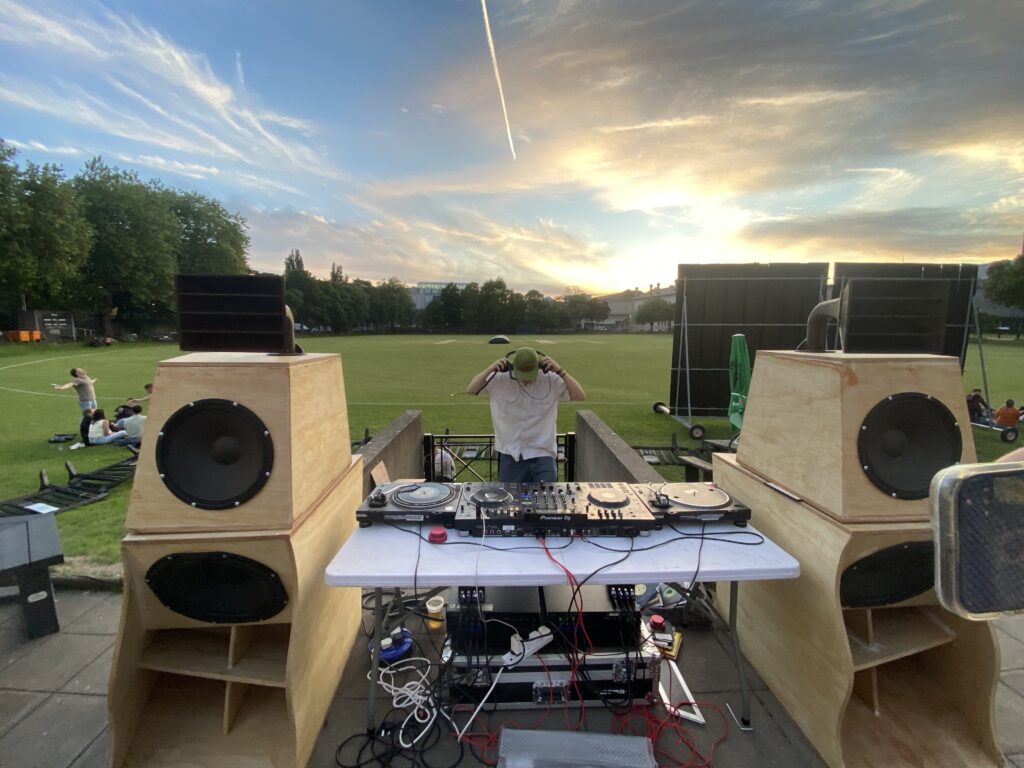
Were there students with prior audio engineering experience, or did most learn on the job?
Most of our team were just enthusiastic and willing to learn, with some baseline audio experience, but we were all thrown in at the deep end and kind of learned how to swim by the end!
How many students were involved, and what roles did they take on?
We initially had 6 teams: components, acoustics, enclosure, crossover, sponsorship/marketing, and innovation, with 4–5 students on each. By the end, we had all meshed together into one mega team of 10–12 and built that sucka.
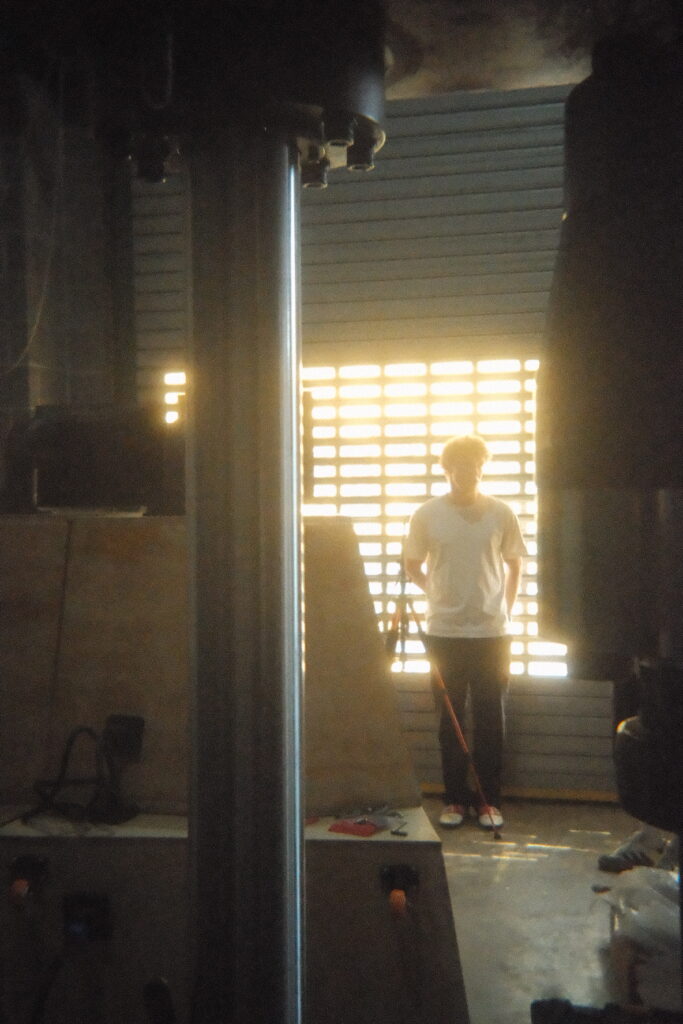
Is the system considered finished, or is it still evolving?
In engineering, you’d call it a minimum viable product. It works and sounds good, but there’s a lot we could do to improve it. Next semester, we are going to build a custom amp box, maybe add some distortion knobs and dub sirens, and possibly paint it. We want it to be an evolving, multidisciplinary, collaborative project.
