 Max Heyraud
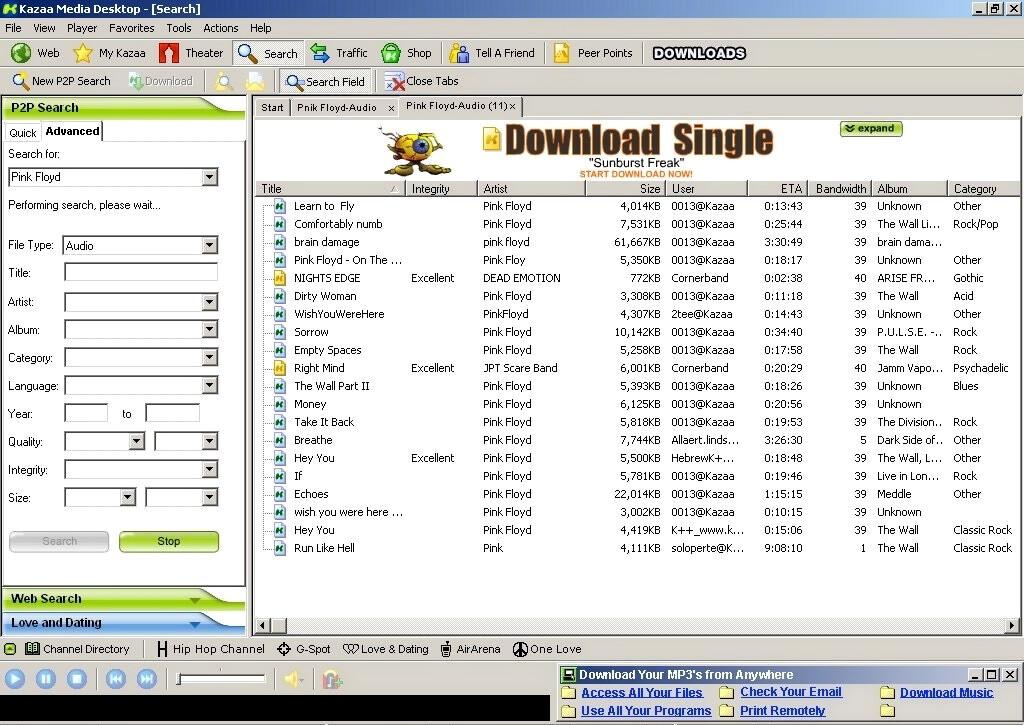
On June 25, 2003, the Recording Industry Association of America (RIAA) announced that it would start identifying and suing individual users of peer-to-peer (P2P) file-sharing networks such as Kazaa, Grokster, and Gnutella.
The move was a big strategic change for the music industry. Before then, record companies had focused their legal firepower on shutting down the file-sharing services themselves, most famously Napster. The RIAA’s new course of action indicated that individual users, not just the platforms, could be held responsible for online copyright infringement.
At that time, millions of users were exchanging MP3 files, many of them building up huge digital libraries of music without paying for it. For many electronic music fans, DJs and producers, these networks also provided a way of locating underground tracks, rare remixes and international releases that were otherwise difficult to get hold of through conventional retail channels.
In the years that followed, the RIAA sued thousands of individuals for file-sharing. Some cases settled for large amounts, others drew public attention because students, parents and other ordinary internet users were involved.
Over two decades later, June 25, 2003, remains a significant date in music history, a moment when the battle between copyright enforcement and internet culture entered a new, highly public phase, marking a shift in how music would be consumed.