
 Max Heyraud
Phil Kieran talks authenticity, working with New Order, tribal techno and how rave brought people together during a turbulent time in Belfast, as well as his new live show, which comes to Belfast and Dublin at the end of the month.
Ireland is in the middle of something of an electronic music boom. From the North to the South, a new generation of DJs and producers is emerging at a remarkable pace, but the foundations for that success were laid long ago, when the country’s scene was considerably smaller and harder to navigate. Phil Kieran is one of the artists who helped build those foundations.
Over the course of more than three decades, Kieran has carved out a career that has taken him from the rave culture of Belfast to Berghain, Panorama Bar and fabric, to name a few, while releasing music on labels including Cocoon, Optimo, Hot Creations, STOOR and Soma. His work has crossed freely between techno, electro, indie and experimental music, with collaborations and remixes involving artists such as Depeche Mode, Peter Hook, Gary Numan and David Holmes. Alongside his solo work, projects including Alloy Mental and Le Carousel have allowed him to continually push into new territory.
Now, Kieran is returning to live techno for the first time in more than a decade. Built around three decades of material, drum machines, synthesisers, stems and an intentional element of chaos, the new show is less a nostalgia trip than a way of reworking his own history into something immediate and unpredictable. We caught up with Kieran to talk about growing up around rave culture in Northern Ireland, the records that shaped him, Alloy Mental, working with Depeche Mode, composing for film, and why, after all these years, instinct still matters more than formula.
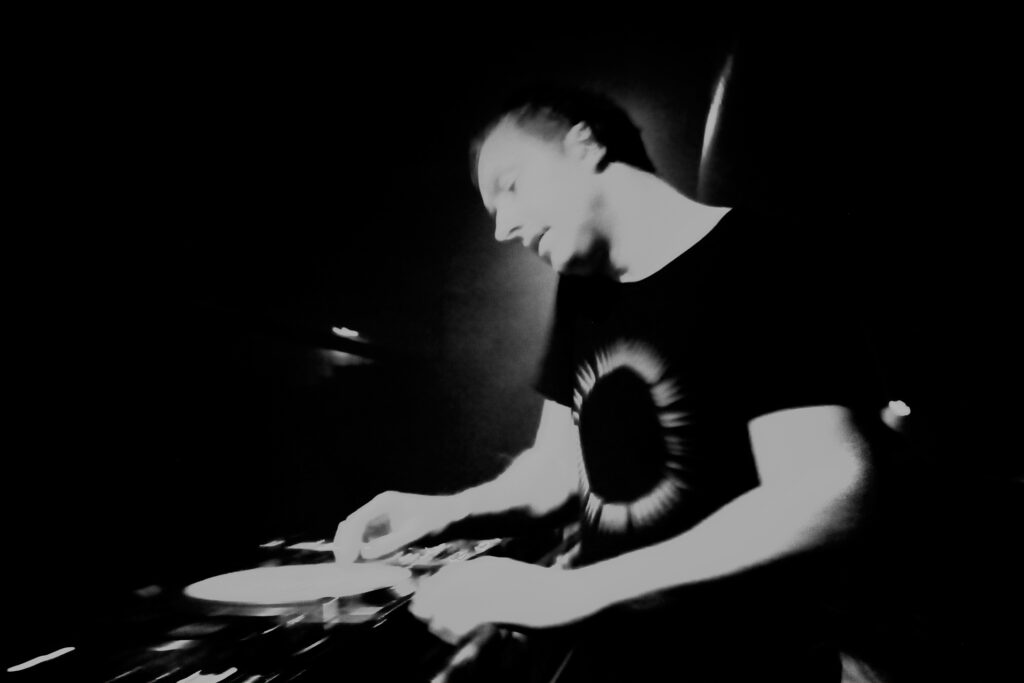
Thanks for chatting with us, Phil. Let’s start at the beginning. What are your earliest memories of electronic music, and what first drew you into it?
One of my very earliest memories of electronic music is hearing an instrumental B-side by Vince Clarke’s The Assembly project from my big sister’s record collection. I was probably only six or seven, and whilst the A-side had Fearghal Sharkey vocals and was very song-structured, I remember thinking how strange and futuristic the B-side sounded. There were no vocals, just electronic textures that really stirred something in me. Years later, records like Screamadelica were a gateway into dance music; guitar music was beginning to overlap with electronica, and it made dance music acceptable to an Indie teen like myself. I began discovering bands like LFO, the Orb, Black Dog and the Warp Records catalogue. By the time I got to art college, I was obsessed; every record led to another discovery, and having friends who were equally into it only fuelled that curiosity.
You grew up during a pretty volatile period in Northern Ireland. What impact did rave culture have on bringing people together across different communities?
Dance music gave people a reason to come together around something positive. We were more than willing to leave politics and religion at the door for a few hours of escape from quite a stifling atmosphere in NI at that time; it just wasn’t cool to bring it up. We went out to dance, not fight. You met people you might not have met otherwise, and that creates empathy; it humanises the alien and makes them less threatening. For people who went to raves, they built a new community that was defined by good tunes, good times and everything that went with it. It was a welcoming tribe, not defined by religion or politics.
Your first release listed on Discogs is Vital 1 on Kingsize from 2000. Was that actually your first record, and what do you remember about that period in your career?
My actual first record came out on Dublin label Trama Industries, run by Alan O’Boyle aka Decal, after I sent him demos. RIP EP was out in the year 2000, a great time for an electro drop. I remember being nervous because the vinyl test pressing had a big skip in the middle as a result of sending the pre-master off on a recordable CD. It opened the door for releases like Vital 1, which came out soon after.
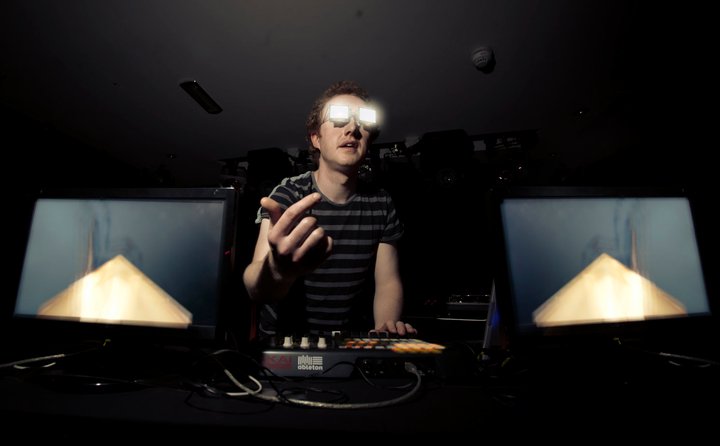
The following few years are probably my favourite era of your music. Tracks like Vitalian House and A Tribe Called Drums are some of my all-time favourite techno records. Do you remember making those tracks, and what kind of gear were you working with at the time?
I don’t remember the exact day I made those records, but I remember the period clearly because my music was beginning to connect with people. I was beginning to DJ in bigger rooms, so that naturally pushed me into creating main room sounds. I’ve a memory of hearing David Holmes play House Nation in the Art College; I wanted to recreate the feeling it gave me, so 10 years later, Vitalian House was my take on House Nation. I was working with very limited equipment, mainly just an Akai S3000 sampler. I was sampling loads of little fragments and building those into records. I think those limitations and the need for experimentation became part of my sound.
As far as I’m aware, there weren’t many producers coming out of Ireland making that kind of tribal, Purposemaker-adjacent techno, certainly not to the level you were. What was it like carving out that sound from Northern Ireland?
I always wanted to connect with like-minded music lovers wherever they were in the world. I was out buying records all the time in shops like Dr Roberts or Hairy Bear Records, and I knew others were standing in record stores doing the same thing. Speaking of Purposemaker, Belfast had parallels to Detroit, but I don’t think I realised how much techno music was burgeoning in other towns all around the world. Social media wasn’t a thing, but that was a blessing. I just made the records I liked or thought a few of my friends would like and hoped the right people would find them. There were other artists in NI like Calibre and Boxcutter who were gaining recognition at that time too. We all got on and shared ideas, but it was quite a loose creative community. I ran a night called Sector 1 that showcased local live-electronic artists. A few of those acts are still the best artists you’ve never heard of.
I’d love to talk about Alloy Mental, another one of your projects that I absolutely love and still play in clubs when the moment’s right. How did that project come about, and what were you looking to explore with it that differed from your solo work?
I’d been having success with singles and remixes, but I tend to get bored. I was on holiday listening to Depeche Mode’s ‘Violator‘, which made me want to create a complete album with songs, vocals and atmosphere but something people could dance to. For the first time, I had constant collaborators, and we put thought into imagery, performance and creative elements other than how it would sound. Alloy Mental became a very Belfast entity, merging the city’s energy with its punk and techno heritage. Our front man Martin Corrigan was charged with chaotic energy. We were a hardworking band, and we had so much fun gigging. I love that the records still get played by so many DJs, but as a gigging band it just wasn’t feasible at that time to tour that many people and that much equipment around dance music venues.

Alloy Mental ended up opening for New Order on a number of occasions. What was that experience like, and did it change the way you thought about performing live?
I was DJing in Greece at the same time as New Order were playing there. On my way home, I spotted Peter Hook in the queue for my flight. I was so excited, and I burnt a CD on my laptop at my seat, then I walked up to business class to give it to him. I remember he signed the top of my laptop and we had a quick chat. The next week, I got an answerphone message asking if Alloy Mental could warm up for them in Liverpool – erm, yes!
I’m also fascinated by your remix for Depeche Mode. How did that opportunity come about, what was it like getting the call, and how did you approach reworking music by one of the biggest electronic bands in the world?
What I was told is that Depeche Mode’s label had made a shortlist of remix artists to work on certain tracks and that it was Martin Gore who picked me from that list. At the time, I was at a bit of a low, so to get this news from one of my all-time favourite bands was just the medicine. I still don’t know if this version of events is true, and I never got to thank them, so if Martin Gore reads Four Four, thank you!
If I’m counting correctly, you’ve released seven albums over the years. What keeps drawing you back to the album format?
The album format feels like the holy grail. It’s great to make a good track, but as an artist, if you want to create a bigger picture, that takes a bigger canvas. Similar to when I DJ, I’m not just playing a series of tracks, I’m curating a journey that ebbs and flows over time, so that requires a long player format. If you’re motivated to create art rather than chase popularity, then you won’t get too bogged down on catering for streaming platforms or algorithms. I know the impact certain albums have had on me, so the dream is to make something that has that kind of impact on somebody else. I never feel like I’ve made the perfect album. My Le Carousel album from earlier this year was the nearest I’ve come to it so far, and that took over 9 years.

Alongside your artist releases, you’ve written music for television and film and explored composition in a much broader sense. How did that side of your career develop, and what has it taught you as a musician?
I’ve always been fascinated by the difference music can make to film and imagery. A friend of mine encouraged me to give it a go, so about 7 years ago I decided to focus on it more – it just seemed like the logical next step. I’d already co-written a few bits with David Holmes for film, and a lot of my productions had been synced to film or games previously, probably because a lot of my productions have an emotional core. In 2018, I created the music for a play by Prime Cut and loved the process of enhancing a script and theatrical storytelling. TV and radio documentary work followed, and then I got asked to make the original score for ‘Rough’, a short film by Declan Lawn and Adam Patterson, which won awards, and those guys have gone from strength to strength.
Since then, I’ve composed for feature films and the occasional short if it strikes a chord. It’s a very competitive space, and it’s been hard to get accepted as a film composer, more by funders than by directors or other creatives. It’s a different world, and I was an unknown quantity, so it’s taken a lot of resilience, and I’ve had to learn new ways of doing things, but as I’ve alluded to, I get restless; it’s probably an ADHD thing. I like trying new things and feeling out of my depth. As hard as the knockbacks may be, when a film comes together it’s an amazing feeling. I love the collaborative aspect of it, working together on a shared vision and learning from other disciplines. One thing I love is when your part is done, you can let it go, whereas with your own music, especially as I mostly self-release these days, every step is my responsibility.
One thing that stands out across your career is your willingness to keep evolving, not just stylistically, but also in the formats you work in. How important is that constant reinvention to staying creatively inspired?
It’s probably quite similar to what I said in the last question. I get bored quite quickly if I don’t feel challenged. As soon as something starts working, I almost want to move away from it. Some people find a formula that works, and they’re happy to keep repeating it for the rest of their career. I remember another DJ once telling me he thought I seemed a bit lost, like I didn’t really know what I wanted to do. At first, I took that as criticism, but I think that’s exactly how a genuinely creative person should feel. If you’ve completely figured everything out, there’s no curiosity or creative drive. That’s where new ideas come from. Everything has been done before to some extent, so it’s fine to borrow ideas, but the interesting part is combining different influences with your own personality, your own accent and even your mistakes. Sometimes that’s where something original appears. I mostly trust my instinct. I don’t want to make music because I think it’ll be popular. If something feels right to me, there’s a chance it’ll connect with somebody else too.
You’re about to play your first live techno set in more than a decade. Why does now feel like the right time to return?
To be honest, when Covid happened, I thought about stepping away from performing altogether, from DJing too, never mind playing live. After a while, I missed the energy, the noise, lights and crowds, so I created my own club night Leatherette and thought that would satisfy the itch. Now, recently, I’ve been taking on more DJ gigs but haven’t played live techno in years.
There’s something about Christopher Coe and Awesome Soundwave’s single-minded commitment to live techno that I think is needed right now. In an age of AI and DJs stuck in autopilot, I think people are craving something real, something more immediate, improvised and unpredictable. Techno is quite precise; improvising and playing it live with a little bit of chaos brings it to life. I think I needed the break to be able to find dance music fun again, and I think these shows will be fun.

This new live show blends stems and ideas from music you’ve made over the past 30 years with brand-new material. How did you approach balancing nostalgia with creating something that still feels fresh and unpredictable?
I like moving forwards, and I say no to lots of promoters who want me to play old nostalgic music to large anonymous crowds; the mere mention of ‘classics’ gives me the heebie-jeebies. Working with ASW has given me the space to look back over my life’s work, from afar, and rework it as a project in its own right. My career is over 30 years, and it’s worth stopping to smell the roses a bit. However, I’ve lost a lot of the earliest material. I’ll be taking bits and pieces from tracks I still think work today, chopping them up and using them like building blocks that can be configured in different combos to work well in clubs. I’ll play live using drum machines and synthesisers, so every performance feels different.
You’ve described the show as having “as many machines on the go as possible,” embracing a bit of chaos. What kind of experience are you hoping people leave with after seeing your return to loud kick drums and bass?
I’ll be using Ableton on a laptop, but I’m trying not to rely on it too much. Everything will be split into individual parts and loops rather than simply pressing play. Alongside that, I’ll have drum machines, synthesisers and effects running through the desk, so there’s a proper live element to it.
When I talk about chaos, I mean giving myself enough moving parts that mistakes can happen. A bit of jeopardy or imperfection is part of the fun and creates excitement or energy; they remind people it’s really being performed live. I don’t want it to feel too polished or too perfect. The worst that can happen is you get a few seconds of silence, and then you just start again; it’s not brain surgery. I’d rather take that risk than play it completely safe.
Finally, you’ve built a career spanning more than three decades while continuing to evolve. What advice would you give to young producers hoping to build a similarly long and fulfilling career in music?
The only thing I can honestly say is something I’ve learned over time: be honest with the decisions you make creatively, and check your motives. Make the music that feels right and satisfies something in yourself, not because you think it’ll make you famous or make you loads of money. If that is your goal, I’m probably the wrong person to ask.
The decisions I’m most proud of haven’t necessarily been commercially successful, but I don’t regret them. The first Le Carousel album is a good example. It probably lost me money, but I’m still immensely proud of it. The people who got it really got it, and it still gets a lot of love. More than anything, trust your instincts. People appreciate authenticity. Also, turn it up loud and wear earplugs.
You can purchase tickets to Awesome Soundwave presents Phil Kieran Live & Christopher Coe Live at Ulster Sports Club here.
